
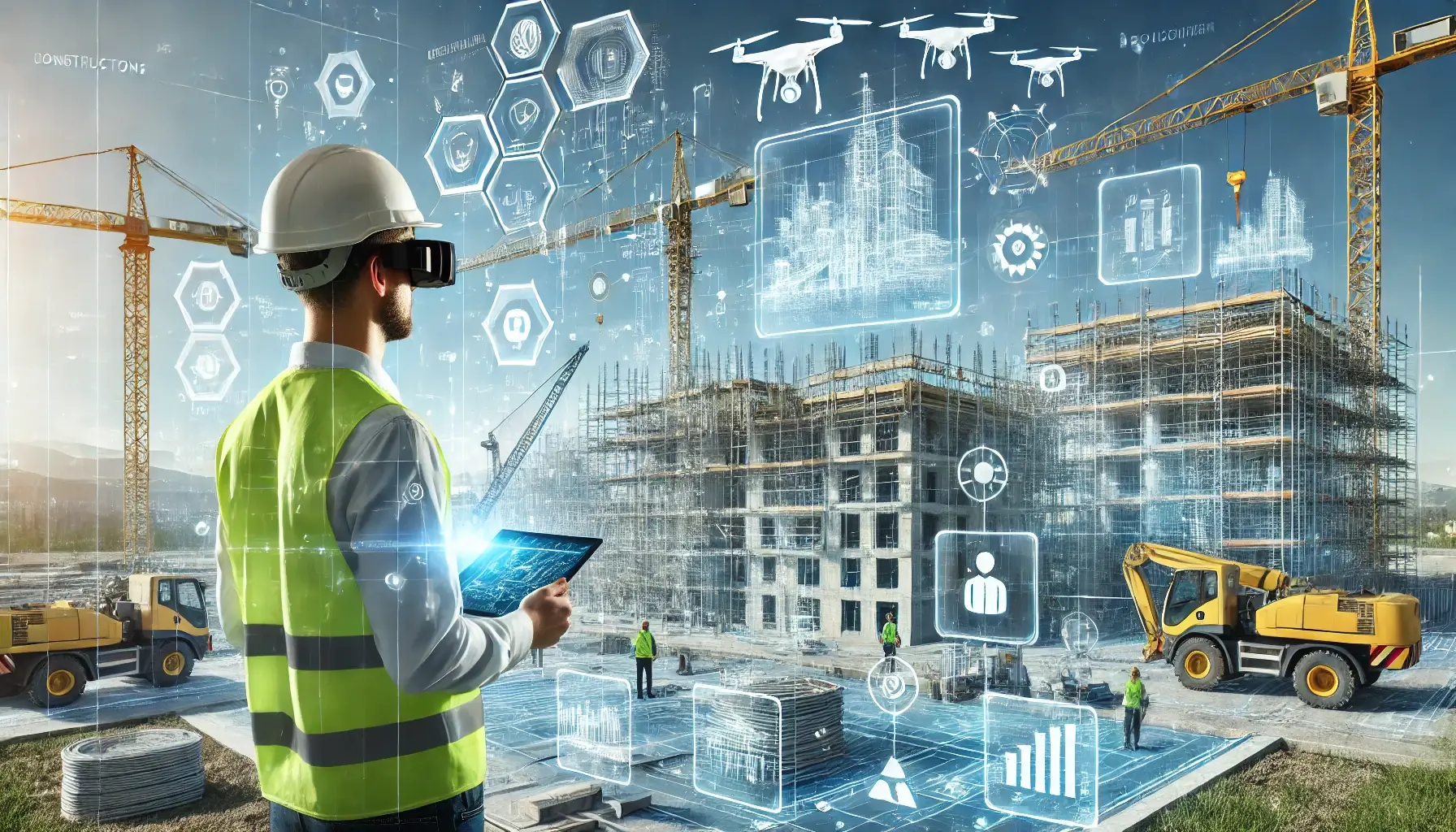
I have been seeing job ads for digital engineers. What does the role actually do, and how is it different from a BIM engineer? This post looks at what a digital engineer is, why the role matters, how promising it is, and how someone might move into it.
What is a digital engineer?
A digital engineer brings digital tools together across a construction project and looks for ways to make the whole process work better. BIM is usually at the center, but the role also pulls in other methods so that project management and delivery improve. Digital engineers have become more important on site, and the job itself has grown with that expertise.
What the role covers
A digital engineer sits at the center of digital process and technology on site. The main parts are:
-
Collaboration: working with the design team and project managers so the digital model is applied correctly and used during construction. That collaboration improves communication and coordination among stakeholders.
-
Putting tools to work: using BIM and other digital tools to build a detailed model of the real structure. The model can be accessed and updated in real time, so problems can be found and fixed early.
-
Training and development: teaching site teams new tools and methods, and helping build a culture of improvement.
-
Data: collecting, analyzing, and managing project data. Quality and completeness of data are essential for good decisions.
How a digital engineer differs from a BIM engineer
The two roles overlap a lot. Both use BIM as a core tool and are comfortable with 3D design and data. A BIM engineer usually focuses on creating and managing the BIM model in design. A digital engineer uses BIM and other digital tools to raise the efficiency of the whole project. In short, if a BIM engineer focuses on modeling, a digital engineer is responsible for digitizing the project as a whole.
| Item | Digital engineer | BIM coordinator |
|---|---|---|
| Focus | Implementing digital technology | Coordinating the BIM process |
| Data | At the center of data processes | Making sure models come together |
| Collaboration | Training and encouraging new methods | Coordinating communication among stakeholders |
| Site role | Often placed on a specific site | Often works across several projects |
| Responsibility | Live data and problem-solving | Clash detection and standards |
Main differences between a digital engineer and a BIM coordinator
Why the role is needed
Digital engineers give construction a few clear benefits:
-
Better collaboration: everyone works from a shared digital resource, so errors and misunderstandings drop.
-
More efficiency: digital workflows shorten schedules and cut cost. Automating the repetitive stuff lets teams focus on the harder problems.
-
Less risk: better tools catch physical clashes and schedule clashes earlier, so delay and rework drop.
-
Safer sites: better planning and risk analysis make hazards visible before they happen.
The outlook
The role looks strong for the next several years. Digital change in construction is still early, and demand is expected to keep rising over the next decade. Sustainable construction and smart-city work will make the role even more important.
What you need to become one
You need a mix of skills. You should be comfortable with BIM tools such as Revit and Navisworks, and you should also learn tools for data analysis and visualization, such as Power BI and Python. Understanding newer tools such as drones and 3D scanners matters too. Project management knowledge, process automation, and cloud skills are important. Above all, you need a real interest in digital change and a habit of learning.
Closing
I think the next step after BIM engineer is digital engineer. The work is no longer just using BIM. It is about putting digital tools across the whole project to raise efficiency and try new methods. That means staying curious about many current technologies and keeping up the learning. Connecting that many fields is also the kind of work AI will not take overnight. Why not start preparing for it?
Drop a comment. I want to hear what you think. This is HowBIM.
#digital engineer